ARCHITECTURE WEEK MADRID 2024: HERITAGE, HEALTH AND TECHNOLOGY
International Architecture Week 2024 in Madrid is a space for reflection, learning and innovation in the field of architecture. This year, from 4th to 17th October, the programme is structured around themes such as social integration via heritage, neuroarchitecture focused on health and the impact of technology on architectural design. In this post, ENERO Arquitectura will highlight some of the key events that will address these issues and that coincide with our studio’s areas of expertise.
HERITAGE AS AN INSTRUMENT FOR SOCIAL TRANSFORMATION
One of the most enlightening events of Architecture Week 2024 is the conference entitled Social Integration in Heritage Social Rehabilitation, which explores how historic buildings can become real tools for social integration. It will take place on Monday, 7th October at 19:00 at Madrid’s Official College of Architects (COAM).
This conversation revolves around the ability of these spaces not only to preserve cultural memory, but also to revitalise communities and foster a sense of belonging among the inhabitants.
Projects carried out by ENERO Arquitectura like the remodelling of the rooms of the Parador of Ciudad Rodrigo or the comprehensive refurbishment of the Parador of Gredos are clear examples of how heritage can be adapted to contemporary needs while respecting historical value. Updating the spaces not only preserves their original essence, but also revitalises the local economy and promotes community participation in their use and conservation. Such interventions, which respect the history and context of the buildings, allow these places to remain alive and accessible to current and future generations.
This conference regarding Heritage will address these issues from a multidisciplinary perspective, exploring how interventions in historic buildings can be a driving force for social cohesion, sustainable development and strengthening the sense of identity in communities.

NEUROARCHITECTURE AND THE HUMANISATION OF HEALTHCARE SPACES
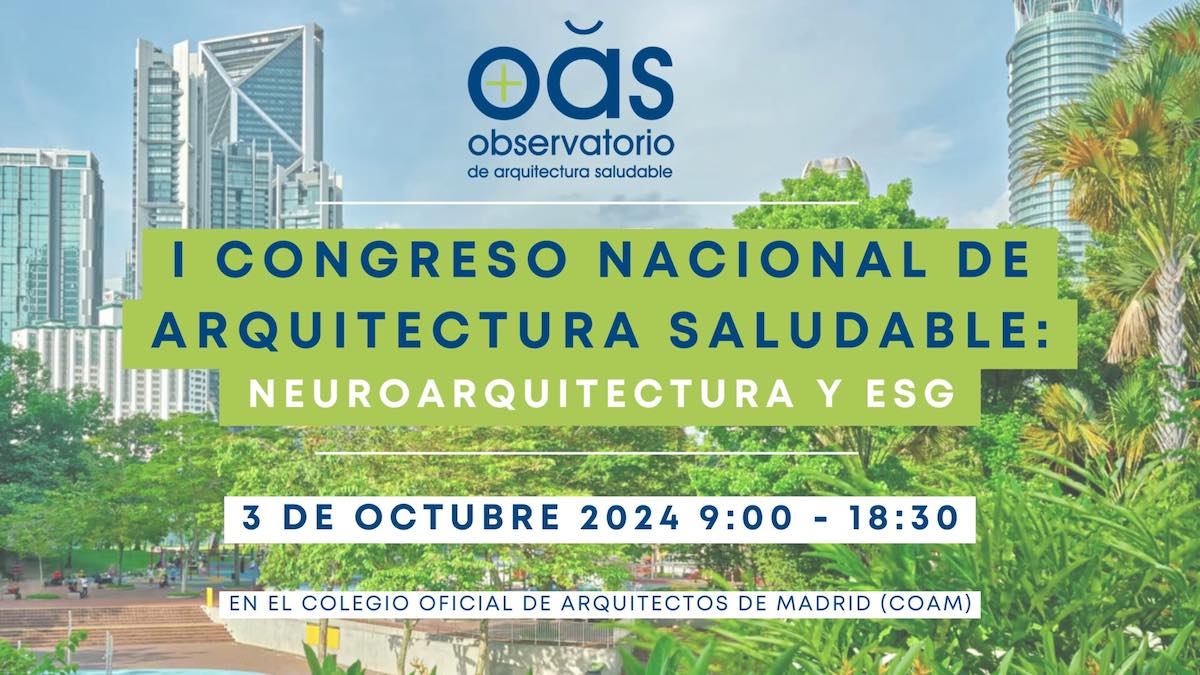
The 1st National Conference on Healthy Architecture: Neuroarchitecture and ESG (environmental, social and governance), which will take place during Architecture Week, is an excellent opportunity to delve into the crucial role that architecture plays in people’s health and wellbeing. This conference will explore how the principles of neuroarchitecture can influence the creation of healthier environments, not only in healthcare centres, but in all types of public and private spaces.
In this context, one of the main commitments of ENERO Arquitectura is the humanisation of healthcare spaces. This approach seeks to design healthcare centres that are not only functional but also comfortable and enhance patients’ recovery. These spaces are designed with natural light, ventilation, connection to nature and the reduction of environmental stress in mind, principles that are directly linked to neuroscience and emotional wellbeing.
The conference will also include discussions on ESG criteria, which promote sustainability and social responsibility in architectural projects. These aspects are key to ensuring that constructed spaces not only contribute to individual wellbeing, but are also respectful of the surrounding environment and communities.
ARTIFICIAL INTELLIGENCE: SHAKING UP HEALTHCARE ARCHITECTURE
One of the most eagerly awaited events of Architecture Week is the presentation of the COAM AI Lab, which will mark a milestone in the application of artificial intelligence in the field of architecture. This new initiative aims to explore how AI can transform design and construction processes, offering more efficient and customised solutions to today’s architectural challenges. The official presentation will take place on Tuesday, 8th October at 11:00 at COAM.
The incorporation of AI in architectural design can be particularly relevant in the field of healthcare architecture. At ENERO Arquitectura, we are exploring how AI can improve medical space planning, optimising workflow and resource allocation in hospitals and healthcare facilities. By analysing large volumes of data, AI can suggest spatial layouts that not only increase operational efficiency, but also improve the patient experience, reducing waiting times and facilitating access to critical services.
COAM’s AI Lab will become a research and experimentation centre where architects and technologists will be able to collaborate to develop new tools to automate the design and execution processes. This laboratory will be a platform for innovation and also a space to reflect on the ethical and social implications of the use of artificial intelligence in architecture.